
French UX in SaaS Platforms: How to Drive Engagement
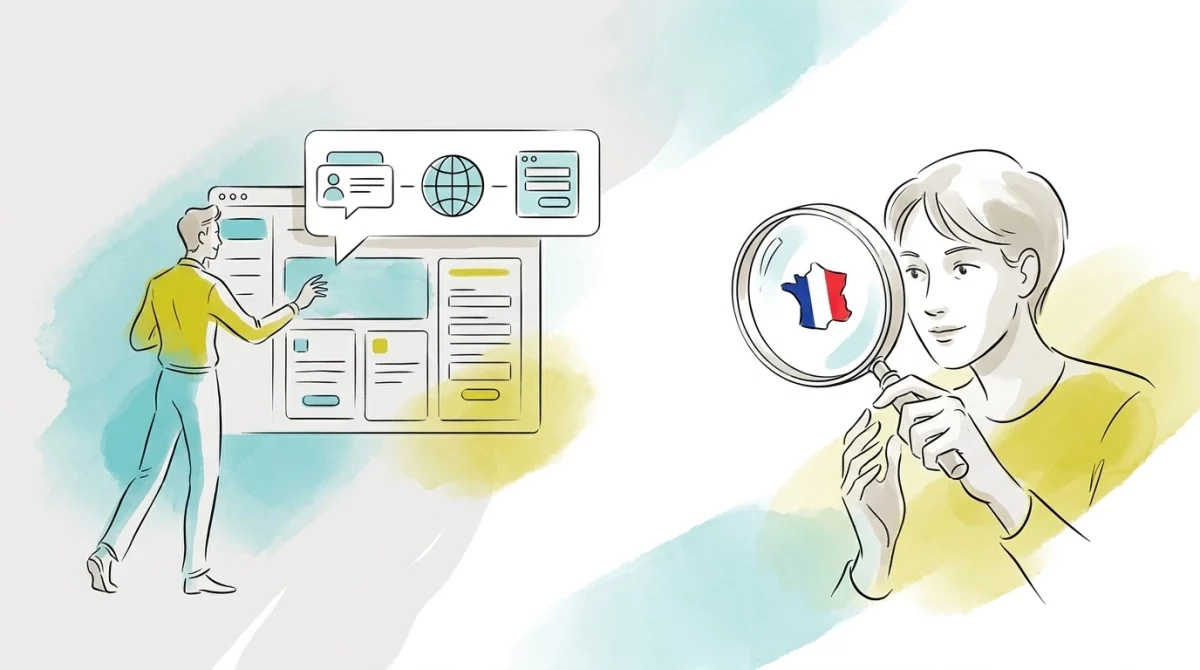
The global expansion of a SaaS platform often hinges on a single, frequently overlooked factor: the user interface language. While many companies prioritize backend scalability and feature sets, the way a product communicates with its users determines its long-term adoption and retention rates. In the French market, a region known for its high standards regarding linguistic precision and cultural etiquette, simply translating an interface is rarely sufficient. To truly resonate with French users, SaaS platforms must leverage the power of microcopy and linguistic nuance to create a seamless, intuitive, and trustworthy user experience.
For international marketing teams and product managers, understanding the intricacies of French UX is not just a matter of translation. It is a strategic move to lower friction and build brand equity in a competitive digital landscape. As the IT sector continues to evolve, the demand for high-quality French language services and sophisticated French localization has never been higher.
The Role of Microcopy in User Guidance
Microcopy refers to the small snippets of text found on buttons, in tooltips, error messages, and navigation menus. In a SaaS context, these tiny fragments of language act as the connective tissue between the user and the software. When microcopy is handled with care, it guides the user effortlessly through complex workflows. When it is neglected or poorly translated, it becomes a source of cognitive load that leads to abandonment.
In French, microcopy requires a delicate balance between brevity and clarity. French sentences tend to be 15% to 25% longer than their English counterparts. This poses a significant challenge for UI design, where space is often at a premium. A button that says “Submit” in English might become “Envoyer” or “Valider” in French. Choosing the right term depends entirely on the context of the action. While “Envoyer” is functional, “Valider” often carries a stronger sense of confirmation and security, which can be instrumental in driving user confidence during sensitive operations like data entry or financial transactions.
Navigating the Formality Spectrum
One of the most critical decisions in French UX writing is the choice between “tu” and “vous.” This linguistic distinction, which does not exist in modern English, dictates the entire relationship between the platform and the user. The choice is rarely binary and depends heavily on the industry, the target audience, and the brand persona.
A B2B SaaS platform focused on enterprise resource planning or legal tech will almost certainly opt for “vous” to maintain a professional distance and show respect. Conversely, a creative tool or a social productivity app might use “tu” to foster a sense of community and approachability. However, misjudging this can alienate users. Using “tu” in a formal setting can appear disrespectful, while using “vous” in a casual app can feel cold and robotic. Achieving the right tone requires a deep understanding of French content writing and cultural expectations, ensuring that the platform feels like a local solution rather than an imported one.
Precision in Error Messages and Feedback Loops
Error messages are often the most frustrating part of any user journey. In many localized SaaS platforms, these messages are the first place where the user experience breaks down. A generic “An error occurred” translated literally into French as “Une erreur est survenue” provides no value and offers no path forward.
High-quality French UX writing transforms these moments of friction into opportunities for engagement. Instead of a vague notification, effective microcopy provides specific instructions using helpful, empathetic language. In French, this involves using the infinitive form for instructions (e.g., “Vérifier vos informations”) to maintain a neutral but directive tone. By providing clear, grammatically correct, and contextually relevant feedback, a platform can significantly reduce user frustration and churn, positioning itself as a reliable partner in the user’s daily workflow.
If you are looking to refine your digital presence or require specialized expertise in adapting your product for international markets, explore our comprehensive range of marketing services to see how we can support your growth.
Managing Text Expansion in UI Design
The linguistic reality of the French language is that it occupies more horizontal space than English. This “text expansion” is a common pitfall for SaaS companies moving into the French market. If the design does not account for this expansion, labels can get cut off, buttons can overflow, and the entire visual hierarchy can collapse.
From a UX perspective, managing this requires more than just shrinking the font size. It requires editorial expertise to find shorter synonyms that do not sacrifice meaning. For example, “Settings” is often translated as “Paramètres,” which is significantly longer. A skilled UX writer might suggest “Réglages” or even a well-understood icon accompanied by a shorter label depending on the available real estate. This level of detail ensures that the interface remains aesthetically pleasing and functional, regardless of the language version being used. This is why collaboration between design teams and experts in French localization is vital during the early stages of product development.
Cultural Nuance and Functional Resonance
Beyond the literal meaning of words, French UX is about cultural resonance. This means understanding how French users interact with technology and what they expect from a digital interface. For instance, the French market places a high value on data privacy and security. Microcopy that emphasizes “Sécurité” or “Confidentialité” in a way that feels authentic: rather than a checkbox exercise: can greatly enhance user trust.
- Adapt date and time formats to the 24-hour clock and DD/MM/YYYY sequence.
- Ensure currency symbols are placed correctly (e.g., 10 € instead of €10).
- Use localized punctuation rules, such as the non-breaking space before colons and exclamation marks.
- Validate that technical terminology aligns with local industry standards rather than literal translations.
Linguistic nuance also extends to how features are named. A feature called “Power-Up” might sound exciting in English but could translate poorly or sound childish in a French professional context. Finding a term that conveys the same value proposition while sounding natural in French is a hallmark of sophisticated transcreation.
Driving Engagement through Linguistic Consistency
Consistency is the backbone of a great user experience. In a SaaS platform, this means using the same terminology for the same actions across the entire application, documentation, and marketing materials. If a button in the app says “S’abonner” but the marketing email says “S’inscrire,” the user may experience a split second of confusion that interrupts their flow.
Maintaining this consistency in French is particularly challenging due to the complexity of the language’s grammar and syntax. A dedicated style guide for French UX is essential for any marketing agency or internal team managing a localized product. This guide should outline the preferred tone of voice, the choice of pronouns, and a glossary of key terms. By ensuring every touchpoint speaks the same “language,” SaaS platforms build a cohesive brand identity that feels professional and polished.
The Competitive Advantage of Superior French UX
In the crowded SaaS market, technical features are easily replicated, but a superior user experience is a lasting competitive advantage. For companies targeting the French-speaking world, investing in high-quality microcopy and linguistic nuance is one of the most effective ways to drive user engagement and loyalty.
French users are notoriously discerning; they appreciate clarity, respect, and a product that feels like it was built with them in mind. When a SaaS platform goes beyond basic translation to embrace the nuances of the French language, it removes the barriers between the technology and the user. The result is a more intuitive product, a more satisfied user base, and a stronger market position. As businesses continue to navigate the complexities of international expansion, the intersection of IT, marketing, and linguistics will remain a critical area for innovation and growth. Consistent attention to these details signals a level of professionalism that resonates deeply with tech-oriented audiences and decision-makers.