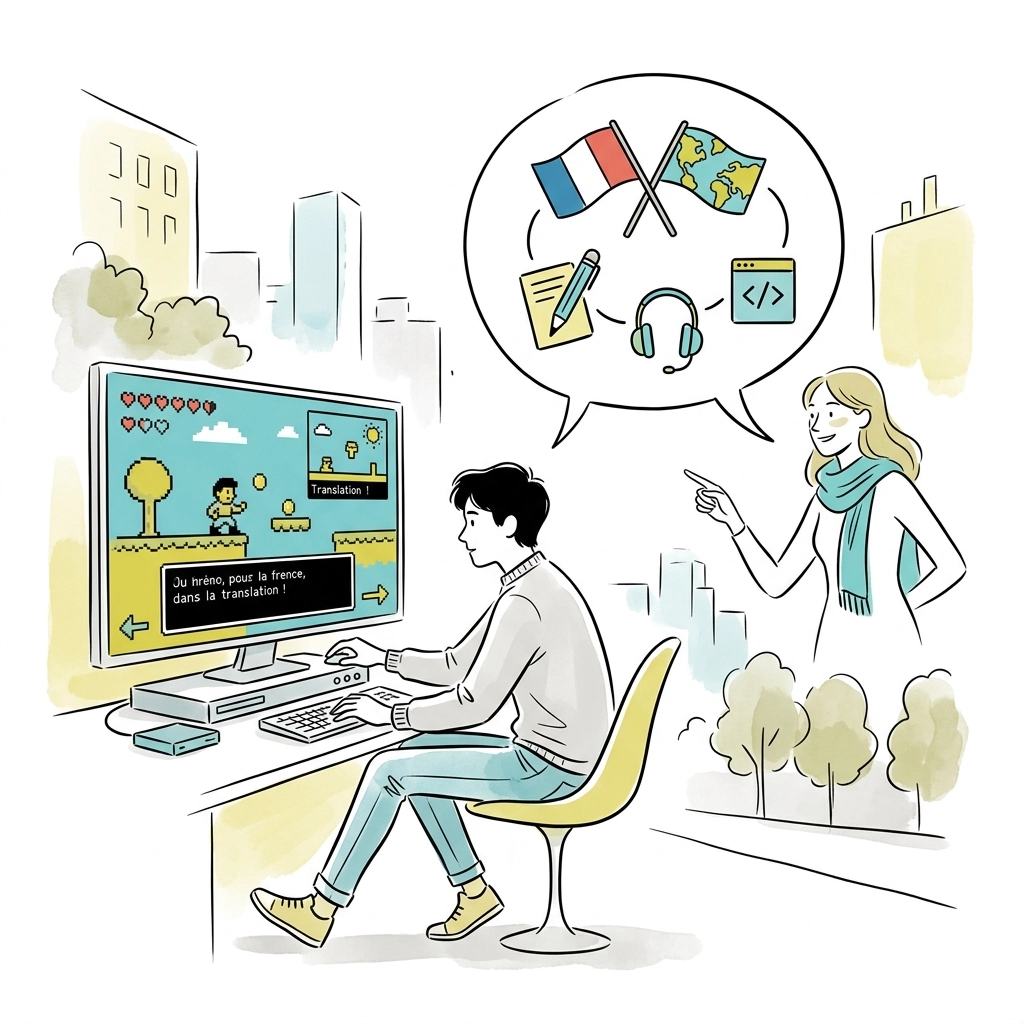

MhnOnuizH_R-1200x670.webp

June 8, 2026

Uncliched

In the world of international expansion, the quality of your customer support can either be the bridge that connects you to a new market or the wall that shuts you out. For businesses targeting the French-speaking world, this is particularly true. French consumers have distinct expectations when it comes to communication, politeness, and the structure of professional interactions. In France, support is not just about solving a technical issue; it is a cultural ritual that requires a specific blend of distance, respect, and expertise.

When global brands fail in the French market, it is rarely because their product is inferior. Often, it is because their tone of voice feels "off" or their support interactions lack the necessary linguistic nuance. For tech-oriented marketing teams, understanding the art of French customer support is essential for maintaining brand reputation and driving long-term retention. This guide explores the core pillars of French-friendly support experiences, from the intricacies of formality to the importance of logical clarity.

Mastering the formality of French business etiquette

One of the most common mistakes international companies make when entering the French market is being too informal too quickly. While the "friendly neighbor" tone works wonders in the US or the UK, it can be perceived as unprofessional or even disrespectful in a French context. French business culture values a certain degree of distance. This distance is not coldness; rather, it is a sign of professional respect.

In French customer support, the interaction is viewed as a meeting between two equals: a professional provider and a valued client. Unlike the "customer is king" philosophy often found in Anglo-Saxon markets, the French approach is built on mutual respect and adherence to rules. If a customer is wrong, it is culturally acceptable, and often expected, to politely explain why, provided the explanation is grounded in logic and company policy.

Starting any interaction without a proper greeting is a cardinal sin. A simple "Bonjour" is the minimum requirement, and in more formal settings, "Bonjour Monsieur" or "Bonjour Madame" is the standard. Jumping straight into the solution without these social lubricants can make the agent seem brusque. Professionalism in France is demonstrated through the mastery of these social codes as much as through technical competence.

Navigating the linguistic bridge between vous and tu

The choice between "vous" (formal) and "tu" (informal) is perhaps the most significant hurdle for non-native teams. For almost all business-to-consumer (B2C) and business-to-business (B2B) support, "vous" is the mandatory default. Using "tu" with a customer you do not know personally is a quick way to alienate them. It can feel patronising or overly intrusive, breaking the professional boundary that French customers value.

There are, of course, exceptions. If your brand specifically targets a very young demographic, think gaming, extreme sports, or niche streetwear, using "tu" might align with the brand’s rebellious or youthful identity. However, even in these sectors, many brands choose to stick with "vous" in support tickets to maintain a level of service quality.

When you are unsure, always default to "vous". It is far better to be seen as slightly too formal than to be perceived as rude. This linguistic choice extends beyond the pronoun itself; it affects the entire conjugation of your sentences and the "softness" of your requests. Instead of saying "Send us your receipt," a French agent would say "Pourriez-vous nous faire parvenir votre justificatif ?" (Could you please send us your receipt?). Using the conditional mood transforms a blunt command into a polite request, which is essential for maintaining a positive rapport.

If you are looking to refine your brand's presence in the French market through high-quality French language services or comprehensive French localization, you can explore our full range of solutions here: Uncliched Marketing Services.

Applying logic and structure to customer resolutions

French education places a heavy emphasis on Cartesian logic, the idea that a point should be argued through a clear, structured sequence of ideas. This preference for structure carries over into how customers expect to receive information. A French customer does not just want a "yes" or a "no"; they want to understand the "why" behind the decision.

When drafting support responses, especially for complex technical issues in the SaaS or IT sectors, the structure of the message is paramount. A well-organized reply typically follows this flow:

  1. A formal greeting and acknowledgement of the issue.
  2. A statement of the relevant rule, policy, or technical constraint.
  3. A logical explanation of how that rule applies to the customer's specific situation.
  4. A clear resolution or a list of next steps.
  5. A formal closing.

Using logical connectors such as "tout d’abord" (first of all), "néanmoins" (nevertheless), and "par conséquent" (consequently) helps the customer follow your reasoning. This structural clarity reduces the likelihood of follow-up questions because the customer feels that their problem has been analysed thoroughly rather than dismissed with a canned response. French content writing for support should aim for a balance of conciseness and thoroughness, ensuring no detail is left unexplained.

Balancing tone and clarity in digital e-commerce

In the e-commerce sector, the stakes for support are incredibly high. From delivery delays to return queries, every interaction is an opportunity to prove your brand's reliability. The tone should remain helpful and empathetic, but never submissive. If a delivery is late, the goal is to provide a clear timeline and a sincere apology, rather than an overly emotional plea for forgiveness.

Clarity in e-commerce support also means avoiding jargon and unnecessary "Anglicisms". While tech teams might be used to using English terms like "shipping," "tracking number," or "checkout," using their French equivalents, "expédition," "numéro de suivi," and "paiement", shows respect for the local culture. It makes the experience feel seamless and local rather than like a poorly translated version of a global service.

Digital platforms, such as chat or social media, allow for a slightly more relaxed tone, but the core principles of politeness remain. Even in a fast-paced chat environment, "Bonjour" and "Merci" are non-negotiable. Successful French localization involves adapting your support templates to match these cultural nuances while maintaining the speed that digital customers expect.

The French support success checklist

To ensure your team is ready to handle the complexities of the French-speaking market, consider the following criteria for your support operations:

  • Default to "vous" unless your brand guidelines explicitly state otherwise for a specific youth subculture.
  • Always open with "Bonjour" and close with a professional formula like "Cordialement" or "Bien à vous".
  • Prioritise logical explanations over simple "yes/no" answers to satisfy the French preference for reasoning.
  • Avoid using the customer's first name unless they have explicitly invited you to do so; use "Madame" or "Monsieur" with their surname.
  • Ensure all macros and templates are written by native French content writing experts to avoid "translationese" and awkward phrasing.
  • Maintain a tone of mutual respect where the agent is a competent professional, not a servile assistant.
  • Use the conditional mood ("Pourriez-vous") to make requests feel like polite suggestions rather than orders.

Conclusion

The art of French customer support lies in the delicate balance between professional distance and helpful proximity. By respecting the cultural preference for formality, using "vous" correctly, and structuring your responses with logical precision, you build a foundation of trust with your French-speaking audience. In a market as competitive as France, these linguistic and cultural nuances are not just "nice-to-haves": they are the defining factors of a successful customer experience.

Investing in high-quality French language services ensures that your support team doesn't just resolve tickets, but actually strengthens your brand's reputation. Whether you are managing a SaaS platform or an e-commerce giant, treating the French language with the respect it commands will lead to higher customer satisfaction, better reviews, and a more loyal user base.

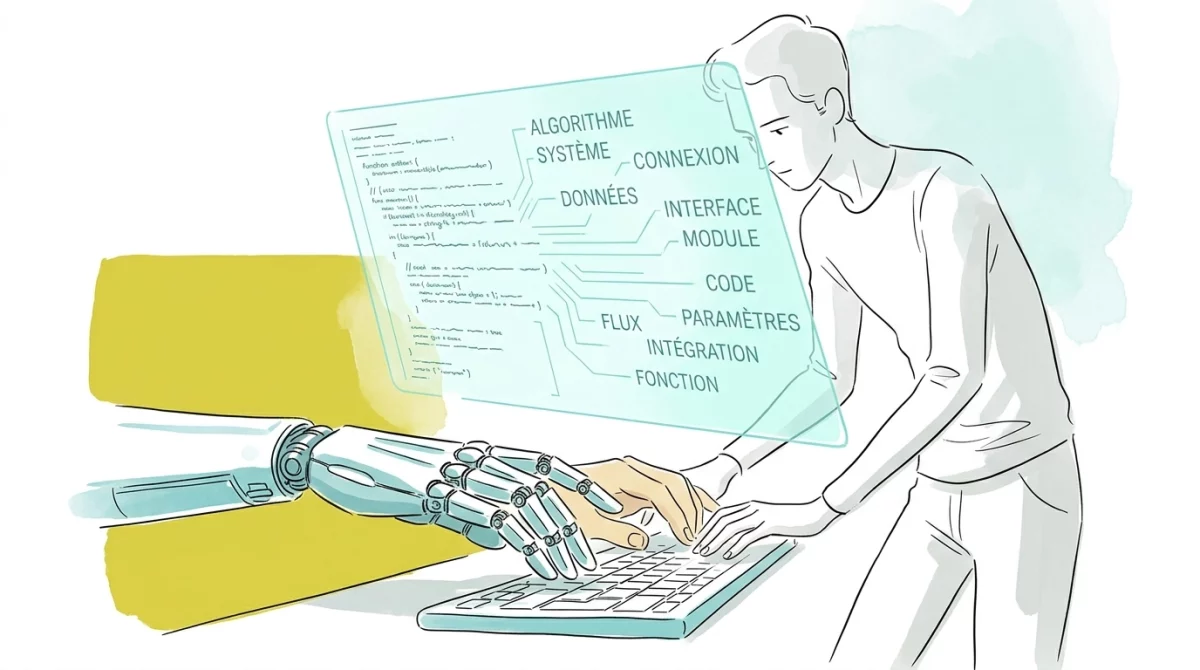
4NBHsRBSBM7-1200x670.webp

June 2, 2026

Uncliched

Automating marketing journeys is a standard practice for global growth, yet many international teams stumble when they reach the French market. It is not merely a matter of translating your English sequences into French. Automation in the French context requires a sophisticated understanding of social hierarchies, linguistic nuances, and cultural expectations. If your automated flows feel like a machine-translated script, you risk more than just low open rates; you risk damaging your brand reputation in one of Europe’s most discerning markets.

Effective French email automation is a delicate balance of technical precision and cultural empathy. To succeed, you must move beyond the "one-size-fits-all" approach and consider how tone, formality, and phrasing shape the way a French professional interacts with your brand. This guide explores the essential components of building automated French email flows that feel human and drive results.

Navigating the formality spectrum in French flows

The first and most critical decision in any French email strategy is the level of formality. Unlike English, where "you" is universal, French forces a choice between the formal "vous" and the informal "tu". For the vast majority of B2B interactions and high-value B2C segments, the formal "vous" is the non-negotiable default. Using "tu" too early in a relationship can be perceived as disrespectful or overly familiar, creating immediate friction in the user journey.

Formality in France is not just about pronouns; it is about the entire architectural structure of the message. A formal email expects a specific flow: a polite salutation, a clear and respectful introduction, a logically structured body, and a standard closing formula. Automated sequences that jump straight into a hard sell without the requisite politeness often fail because they ignore the social etiquette that French professionals expect, even from a software platform.

Choosing between vous and tu for automated messaging

While "vous" is the safe bet, there are instances where "tu" is appropriate. This is typically reserved for brands with a very specific, young, or community-focused identity, such as gaming, sports, or certain consumer apps. However, the transition from "vous" to "tu" must be intentional and consistent. Nothing breaks the immersion of an automated journey faster than a "vous" in the welcome email followed by a "tu" in a re-engagement drip.

If you choose to use the informal tone, ensure it aligns with your brand’s global voice but also resonates with local expectations. Even in an informal context, French users often appreciate a level of linguistic polish that avoids slang. The goal is to be approachable, not unprofessional. When in doubt, segmenting your audience by age or industry can help you test which tone performs better, but remember that "vous" will rarely cause offence, whereas "tu" frequently does.

Structuring French email templates for impact

A well-structured French email follows a predictable rhythm that provides comfort to the reader. Automated templates should be designed with modular blocks that respect this hierarchy. Start with a salutation that matches your chosen formality: "Bonjour Madame," or "Bonjour Monsieur," followed by the surname is the gold standard for formal B2B. If your CRM data is incomplete, a neutral "Bonjour," is far better than a poorly formatted name.

The body of the email should be concise but logical. French readers value "le fil conducteur": the common thread that connects your ideas. Use explicit connectors like "par ailleurs" or "en revanche" to guide the reader through your value proposition. In automated flows, where brevity is key, each paragraph should serve a singular purpose. Avoid the "wall of text" by keeping paragraphs to three sentences max, and ensure your call to action is phrased as a polite invitation rather than a command.

If you are looking to refine your automated journeys with professional linguistic expertise, discover how we help brands scale their marketing services across the French-speaking world.

Managing gender and grammar in dynamic fields

One of the most significant technical challenges in French email automation is the complexity of the language itself. French is a gendered language, meaning adjectives, past participles, and even some job titles change based on whether the recipient is male or female. This poses a major hurdle for dynamic content and merge tags. If your automation says "Vous êtes invité" to a female recipient, it is technically a grammatical error; it should be "Vous êtes invitée".

To solve this, savvy MarTech teams use a few different strategies:

  • Use gender-neutral phrasing that avoids adjectives requiring agreement whenever possible.
  • Implement "if/then" logic in your email service provider (ESP) to swap content blocks based on gender fields in your CRM.
  • Stick to professional titles and nouns that do not change significantly, such as "membre" or "partenaire".
  • Prioritize data hygiene to ensure that gender and title fields are accurate before they are pulled into an automated flow.
  • Test every variant of a dynamic field to ensure the sentence remains grammatically sound in all scenarios.

Mastering the French automated subject line

The subject line is your first: and often only: chance to make an impression. In the French market, subject lines that are too "salesy" or use excessive punctuation (like multiple exclamation marks) are often dismissed as spam. The French professional audience prefers clarity and relevance over hype. Your subject line should clearly indicate the content of the email without being boring.

Phrases like "Proposition de collaboration" or "Actualité de votre compte" are effective because they are direct and professional. Avoid translating English idioms literally; they often lose their impact or sound nonsensical in French. Instead, focus on the "what" and the "why". If the email is a triggered reminder for a cart abandonment, a subject line like "Votre panier vous attend" is standard, but "Finalisez votre commande sur [Brand]" is often more effective as it focuses on the action.

Cultural pacing and timing for French sequences

Timing is a crucial but often overlooked element of automation. French business culture still largely adheres to traditional working hours. Sending an automated B2B nurture email at 8:00 PM on a Saturday is likely to result in it being buried under Monday morning's deluge or perceived as intrusive. Ideally, automated flows targeting professionals should be scheduled for mid-morning or mid-afternoon on Tuesdays, Wednesdays, or Thursdays.

Furthermore, the "pacing" of your sequences should reflect the French sales cycle, which can sometimes be more deliberative than in the US or UK. Blasting a lead with five emails in seven days can feel aggressive. A more spaced-out approach: allowing three to four days between touches: gives the recipient time to digest the information and reinforces the idea that your brand is respectful of their time.

Why professional French content writing matters

Ultimately, the success of your email automation depends on the quality of the writing. AI-assisted translations have improved, but they still struggle with the subtle nuances of French professional etiquette and "le mot juste". A professional French content writer understands how to weave your brand’s unique personality into the rigid structures of French formality, ensuring that your automation feels like a genuine conversation rather than a cold algorithm.

Investing in high-quality French content is an investment in your conversion rates. When a prospect receives an automated email that perfectly captures the right tone and addresses their needs with linguistic precision, it builds immediate trust. It signals that your brand is serious about the French market and respects its cultural specificities. This trust is the foundation upon which long-term customer relationships are built.

Achieving excellence in French automation

Scaling your marketing efforts into French-speaking regions is an ambitious and rewarding goal. By paying close attention to the nuances of tone, the technical requirements of the language, and the cultural expectations of the audience, you can transform your automated flows into powerful tools for engagement. Remember that in France, the medium is often just as important as the message.

As you build and refine your MarTech stack, keep the human element at the forefront. Automation should serve to enhance the relationship between your brand and the customer, not replace it with a hollow imitation of connection. With the right strategy and a commitment to linguistic quality, your French email automation will not only succeed but will set your brand apart as a leader in the global marketplace.

I5fCpEz-Kmz-1200x670.webp

May 25, 2026

Uncliched

The rapid ascent of generative AI has transformed how IT departments and marketing teams approach content production. For many tech companies looking to enter the French market, the promise of near-instant translation and content generation is incredibly tempting. It suggests a world where localization barriers vanish at the click of a button. However, as many teams are discovering, there is a significant difference between French text that is grammatically correct and French content that actually works for a professional audience.

In the high-stakes world of IT, SaaS, and software development, clarity is everything. When AI replaces human expertise without proper oversight, the result is often a diluted brand voice, broken user interfaces, and technical documentation that confuses rather than clarifies. Navigating the nuances of the French language requires more than just processing power; it requires a deep understanding of cultural context and industry-specific expectations.

Direct translation of technical idioms

One of the most frequent errors AI models commit is the literal translation of English tech idioms. Expressions like "seamless integration," "out of the box," or "rock-solid performance" are staples of English marketing, but they do not always have direct equivalents in French. An AI might translate "seamless integration" as "intégration sans couture," which, while literally accurate, sounds absurd to a French IT professional. In a professional context, we would typically use "intégration fluide" or "harmonieuse" to convey the same level of sophistication.

These "calques" or loan translations instantly signal to a French reader that the content was not written by a native or a specialist. This erodes trust. If a company cannot get its marketing copy right, a potential client might wonder if the software itself has been properly adapted for their market. The fix is to provide the AI with a list of approved brand metaphors and their French counterparts, ensuring that the creative essence of the message is preserved rather than just the literal words.

Inconsistent software terminology

AI models are probabilistic, not deterministic. This means that without strict constraints, an AI might translate the same English term in three different ways within a single technical document. For instance, the word "software" might be rendered as "logiciel," "programme," or "solution" at random. While these are synonyms, inconsistency in technical documentation is a recipe for user frustration. If a user is looking for a specific feature in a manual that is named differently in the UI, the documentation has failed its primary purpose.

For IT companies, maintaining a strict bilingual glossary is the only way to mitigate this risk. By feeding a structured glossary into your MarTech workflow, you can force the AI to respect specific terminology. However, even then, human verification is necessary to ensure that the chosen term fits the specific context of the sentence. In French, the term "issue" could mean a "problème" in a support ticket, an "édition" in publishing, or an "issue" in a legal sense, and AI frequently picks the wrong variant based on surrounding text.

Mishandling the formality of vous and tu

The French language has a built-in social hierarchy expressed through pronouns, a concept that is often lost on AI models trained primarily on English data. Deciding whether to use "vous" or "tu" is a critical strategic decision for any brand entering the French market. Most B2B IT companies and SaaS platforms opt for "vous" to maintain a professional distance, while some modern startups might prefer the more casual "tu" to appear approachable.

Mistakes occur when AI switches between these two forms within the same paragraph or uses an inappropriate level of formality for the setting. An AI might generate a technical error message that sounds overly bureaucratic or, conversely, a marketing email that feels uncomfortably personal. Consistency in address is vital for building a coherent user journey that feels respectful and aligned with the brand's identity.

Breaking UI with sentence expansion

A technical reality that AI often ignores is that French text is generally 20% to 30% longer than its English equivalent. This is known as text expansion. When an AI generates French microcopy for a dashboard, a button, or a mobile app interface, it rarely accounts for the pixel-perfect constraints of the original design. This leads to text being truncated or overlapping with other UI elements, rendering the application unprofessional or even unusable.

Fixing this requires a hybrid approach where the AI is given character limits, but more importantly, where a human expert reviews the output to suggest shorter, punchier alternatives. Sometimes, a direct translation is simply too long, and a complete rephrasing is required to convey the same meaning within the available space. This is where linguistic expertise becomes a technical necessity in the software development lifecycle.

To ensure your tech content resonates with a French audience, consider these essential elements of a high-quality localization workflow:

  • A comprehensive bilingual glossary updated by subject-matter experts.
  • A clear style guide defining the brand’s stance on "vous" versus "tu."
  • Strict character count constraints for all UI-related strings.
  • Contextual metadata provided to the AI to explain where the text will appear.
  • An automated QA process to check for placeholder integrity.
  • Final linguistic sign-off by a native French speaker with IT expertise.

Learn how to integrate AI with expert human oversight in your MarTech stack.

Corrupting code and placeholders

For developers, this is perhaps the most frustrating mistake. AI models often attempt to "translate" things that should never be changed, such as API keys, variable placeholders like {user_name}, or actual code snippets. When an AI changes a variable name to a French equivalent, it breaks the functionality of the software. A French user might see "Bonjour {nom_utilisateur}" because the AI was too helpful, but the system will fail to populate the data because it is looking for {user_name}.

Protecting these elements requires a sophisticated integration with your content management system. You must use "masking" or "locking" techniques to ensure the AI treats code and variables as immutable objects. Without this, the cost of fixing broken code after a bulk AI translation can quickly exceed the initial savings promised by the technology.

Ignoring French typographic standards

French has specific punctuation rules that AI frequently overlooks. For instance, in French, a non-breaking space is required before double punctuation marks like colons (:), semicolons (;), question marks (?), and exclamation marks (!). AI models, heavily influenced by English typographic conventions, often omit these spaces. While this might seem like a minor detail, it is a glaring error to a French eye, making the text look cluttered and unpolished.

Similarly, the use of quotation marks differs. French uses "guillemets" (« ») rather than the curly or straight quotes used in English. A professional IT white paper or a technical case study that ignores these standards immediately feels like a low-quality translation. True localization is about respecting the aesthetics of the target language, not just its vocabulary.

Missing the search intent in French SEO

The final mistake is assuming that a translated keyword will perform well in French search engines. Search behavior is culturally specific. A term that is popular in English might not be the term a French IT manager types into Google. AI can translate keywords, but it cannot perform genuine market research or understand the nuances of French search intent.

For example, a company might want to rank for "cloud-native security," but French users might be searching for "sécurité cloud" or "protection des infrastructures cloud." Relying solely on AI to generate your French SEO content often leads to pages that are linguistically correct but practically invisible to your target audience. A human expert understands how to bridge the gap between technical accuracy and search engine visibility.

Integrating human expertise into MarTech

The solution to these mistakes is not to abandon AI, but to integrate it into a more robust, human-led workflow. At Uncliched, we believe that the most effective French tech content is born from a partnership between machine efficiency and human nuance. This hybrid model allows for the scaling of content production without sacrificing the quality that technical audiences demand.

By treating AI as a high-powered drafting tool rather than a final author, you can significantly reduce time-to-market while ensuring your French communication remains precise, culturally relevant, and technically sound. The stakes in IT communication are too high to leave everything to an algorithm. A single mistranslated security warning or an inconsistent product description can have lasting consequences for your brand’s reputation in the French-speaking world.

The future of French tech localization

As AI continues to evolve, the role of the human expert is shifting from "translator" to "editor and strategist." The value lies in knowing when to follow the AI's lead and when to intervene to correct a cultural mismatch or a technical error. For international tech teams, the goal should be to create a seamless experience for French users: one where the language feels natural, the terminology is precise, and the UI is flawless.

Ultimately, French tech content is about more than just words; it is about building a bridge between a global product and a local community. By avoiding these seven common mistakes and investing in a professional, MarTech-integrated approach, you can ensure your company doesn't just speak French, but truly connects with its audience.

n0qNGhl08a8.webp

May 19, 2026

Uncliched

For many global brands, the French-speaking world represents a vast and lucrative opportunity. However, treating the French language as a single, monolithic block is one of the most common mistakes in international advertising. Whether you are targeting a tech professional in Paris, a creative in Montreal, or an entrepreneur in Abidjan, the nuance of your message dictates your success. As part of our ongoing MarTech Series, we are exploring why culturally tuned French messaging is not just a nice-to-have, but a fundamental driver of ad relevance and performance.

In the world of programmatic advertising and social media campaigns, data tells us what people do, but language tells us why they do it. When ad copy fails to resonate, it is rarely because the offer is bad; it is usually because the tone feels "off" or the cultural context is missing. Creating French ad copy that works on a global scale requires a balance between a universal brand identity and local linguistic precision.

Why localising for the French market is a strategic necessity

When we talk about the French market, we are really talking about a global network of consumers. The French-speaking market within the EU zone alone is a powerhouse of purchasing power, but the language's reach extends far beyond Europe. To resonate with this audience, a marketing agency must look past literal translation. A phrase that works in English often loses its punch, its rhythm, and its emotional weight when moved directly into French.

Effective French ad copy is about building trust. French consumers, particularly in France, tend to be more cynical toward aggressive, "salesy" American-style copywriting. They value wit, elegance, and a certain level of intellectual engagement. If your copy sounds like a machine-translated version of a Silicon Valley landing page, you immediately signal that you do not understand the local culture. This creates friction, and in the world of digital advertising, friction is the enemy of conversion.

The difference between translating and transcreating copy

There is a significant gap between translation and transcreation. Translation focuses on substituting words; transcreation focuses on replicating the emotional impact of the message. For a global audience, your master copy should be built on a concept that is universally understood, such as freedom, security, or family. However, the linguistic vehicle used to deliver that concept must be adapted.

French is a language that often requires more space than English: usually about 15% to 20% more words to express the same idea. This presents a challenge for character-limited formats like Google Search ads or Instagram captions. A professional French copywriter does not just shorten the sentences; they reinvent them. They find the verbs and nouns that carry the most weight so that the core message remains intact even within tight constraints. By prioritising the "vibe" of the brand over the literal dictionary definition, you ensure the copy feels native to the platform and the user.

Finding the right tone for a diverse audience

One of the most immediate decisions to make when writing French ad copy is the choice between "tu" and "vous". This choice sets the entire mood of the brand relationship. In France, "vous" is the default for most professional and B2B contexts, signifying respect and distance. However, in the startup world or for younger B2C brands, "tu" is becoming more common to foster a sense of community and proximity.

When your audience is global, the stakes are higher. In Quebec, the use of "tu" is much more widespread and less formal than in France. If you use a very stiff "vous" in a Montreal-targeted social ad, you might come across as cold or out of touch. Conversely, using "tu" in a formal French business environment might be seen as disrespectful. Finding a neutral, inclusive middle ground: or creating regional variants: is the mark of a sophisticated marketing strategy.

Explore our range of marketing services to see how we help brands navigate these complex linguistic landscapes with precision and flair.

Regional variations that impact ad performance

The French language is rich with regionalisms that can make or break an ad's performance. For instance, the word for a car is "voiture" in France, but "char" in Quebec. A mobile phone is a "portable" in Paris but a "cellulaire" in North America. If you are running high-spend programmatic campaigns, these small differences in terminology affect your SEO relevance and your quality score on platforms like Google Ads.

Beyond vocabulary, cultural references also differ. An ad campaign in France might successfully use a subtle nod to French cinema or philosophy. That same reference might completely miss the mark in French-speaking Africa, where themes of entrepreneurship and community support might be more influential. To reach 10 French-speaking cities effectively, your copy must reflect the local reality of each location. This is where data meets creativity; by segmenting your campaigns not just by geography, but by linguistic nuance, you can significantly lower your cost per acquisition.

Using universal human insights to bridge cultural gaps

To create a master copy that works globally before it is tweaked locally, you must lean on universal human insights. These are the feelings and situations that everyone recognizes, regardless of whether they are in Lyon or Kinshasa. When you start with a universal truth, the French adaptation becomes a tool for clarification rather than a source of confusion.

Consider these elements when building your global French copy strategy:

  • Focus on storytelling that highlights a common problem and a clear solution.
  • Avoid puns and idioms that rely on specific local history or pop culture.
  • Prioritise clarity and benefit-driven headlines over cleverness for the sake of it.
  • Use standard French (Français standard) for international versions to ensure broad comprehension.
  • Include social proof and testimonials that are relevant to the specific region being targeted.

By following these principles, you create a foundation that is easy to localise. It allows your brand to maintain a consistent global voice while speaking the local "heart language" of your customers.

Steps to implement a culturally tuned ad strategy

Implementing this approach requires a shift in how you view your creative workflow. Instead of seeing French as a "translation task" at the end of the project, it should be part of the initial creative brief. This ensures that the visual elements and the copy work in harmony. For example, the French language often uses more formal structures, which might require a different layout or font size on your ad banners.

Measurement is the final piece of the puzzle. In our MarTech Series, we often discuss the importance of clean data. When you run A/B tests on French copy variants, you start to see patterns. You might find that a certain tone of voice performs 30% better in Europe than in North America. These insights should be fed back into your CRM and your content strategy. Over time, this creates a virtuous cycle where your advertising becomes more relevant, your engagement rates rise, and your brand authority in the French-speaking world grows.

Resonating with a global audience in French is not about being "perfect"; it is about being authentic. It is about showing the user that you have taken the time to understand their world, their language, and their preferences. In a crowded digital landscape, that effort is what distinguishes a global brand from a local outsider. By investing in high-quality French content writing and professional localisation, you are not just buying ad space; you are building a lasting relationship with millions of potential customers.

5pg-laq50X4.webp

May 11, 2026

Uncliched

French is far more than just another language on a localization checklist. For game developers and publishers, it represents a gateway to one of the most sophisticated and demanding gaming audiences in the world. As the industry has matured, the expectations of French-speaking players have shifted dramatically. It is no longer enough to simply swap English strings for French ones; success in this market now requires a deep dive into cultural adaptation, linguistic nuance, and technical foresight.

The evolution of French game localization

The history of bringing games to the French market has moved through several distinct eras. In the early days, players were often content with manual translations or basic subtitles that felt like an afterthought. However, as gaming became a dominant cultural force in France, the standard for immersion rose. Today, we are seeing the rise of full cultural adaptation, where every element of the game: from the UI to the deepest lore: is reconsidered through a Gallic lens.

Modern French players view the quality of language as a direct reflection of the production value of the game. If the French text is clunky or the voice acting feels uninspired, it shatters the suspension of disbelief. This evolution means that localization teams are now involved much earlier in the development cycle, ensuring that the narrative weight and emotional beats of the original script are preserved rather than just translated.

Why literal translation fails modern players

A common mistake made by global marketing teams and developers is relying on literal translation. French is a descriptive, emotive language that often requires more words to convey the same meaning as English. When a translator sticks too closely to the source text, the result is often "Franglish": a hybrid that feels robotic and lacks the flair expected by native speakers.

Linguistic accuracy is only the baseline. To truly succeed, you must capture the "spirit" of the dialogue. For example, a joke that works in Seattle might fall completely flat in Lyon. Professional localization involves transcreation, where humor, idioms, and cultural references are reimagined to evoke the same emotional response in the target audience as they did in the original. High-quality localization acts as a bridge between the developer's intent and the player's cultural reality.

Managing the 30 percent text expansion rule

One of the most significant technical hurdles in French localization is the physical space the language occupies on the screen. On average, French text is 20% to 30% longer than its English equivalent. This expansion can wreak havoc on user interfaces, causing text to overflow buttons, bleed out of text boxes, or become unreadable due to excessive scaling.

Early planning is the only way to mitigate this. Developers need to build flexible UI systems that can accommodate varying string lengths without breaking the layout. This isn't just a design issue; it is a usability issue. A game that looks broken because the French words don't fit the buttons will be panned in reviews. Successful teams often use dynamic text scaling and scrollable containers to ensure the French version remains as polished as the original English build.

The nuance of formality and social cues

French grammar introduces a level of social complexity that English simply doesn't have, specifically regarding the choice between "tu" and "vous." Choosing the wrong level of formality can fundamentally change the relationship between characters or between the game and the player. Most modern games opt for the informal "tu" to create a sense of camaraderie, but this is not a universal rule.

A historical RPG or a high-stakes political thriller might require the formal "vous" to maintain the correct atmosphere. Consistency is the key here. Switching between the two without a narrative reason is a massive red flag to players that the localization was handled by someone without a deep understanding of the language. Maintaining grammatical consistency throughout thousands of lines of dialogue requires a rigorous linguistic QA process and a well-defined style guide.

If you are looking to expand your reach into new markets with expert linguistic support, explore how we help brands scale through our specialised marketing sectors.

Cultural adaptation beyond the written word

True localization extends into the realm of cultural cues and symbolism. What might be a harmless gesture or a common trope in one culture can be confusing or even offensive in another. In the French market, players appreciate when a game feels like it was "made for them." This includes everything from the way dates and measurements are formatted to the specific tone of the in-game tutorials.

Voice acting is another critical component where French players have exceptionally high standards. France has a long and proud history of dubbing in cinema, and this carries over to gaming. Players expect vocal performances that are emotive and professionally directed. A flat, monotone delivery will be mocked, while a resonant and culturally grounded performance can turn a good game into a cult classic in the French-speaking world.

Navigating regional variations in French

While France is the primary market, it is vital to remember that French is a global language. The French spoken in Quebec, Belgium, Switzerland, or parts of Africa has its own set of idioms, slang, and cultural touchpoints. For most "standard" localizations, Metropolitan French (FR-FR) is the default choice, but if your game has a significant audience in Canada, a specific FR-CA version might be necessary.

This is particularly important when it comes to slang and colloquialisms. Using Parisian street slang in a game targeted at a Montreal audience can feel jarring. Here is how you should approach these regional choices:

  • Determine your primary revenue-generating French territory before starting.
  • Use neutral, international French for UI and instructions to save on costs.
  • Localize character dialogue specifically if the setting is tied to a certain region.
  • Ensure that your linguistic QA team includes speakers from your target territories.
  • Adapt the marketing metadata: like App Store descriptions: to match local search intent.

By acknowledging these differences, you show respect for the diversity of the Francophone world, which builds brand loyalty among international players.

The business case for high-quality localization

From a marketing agency perspective, the ROI of professional localization is clear. France consistently ranks as one of the top ten gaming markets globally by revenue. When you provide a seamless French experience, you aren't just translating words; you are removing friction from the purchasing process. A player who can understand every instruction, feel every emotional beat, and navigate every menu without confusion is a player who is likely to recommend the game to others.

Furthermore, localization directly impacts your visibility on digital storefronts. French keywords have different search volumes and competition levels than English ones. A localized title, description, and set of keywords can significantly boost your organic reach in the French-speaking corners of the internet. Investing in expert French content writing for your store pages is just as important as the in-game text itself.

Implementing an effective localization workflow

To succeed, you need a workflow that prioritises context. Providing translators with a list of strings in an Excel sheet without context is a recipe for disaster. Translators need to know who is speaking, what the environment looks like, and what the ultimate goal of the dialogue is. They need to see the UI to understand space constraints.

The best results come from a collaborative process where the localization team acts as an extension of the development team. This involves regular linguistic testing where the translators actually play the game to see their work in action. This allows them to catch errors that are invisible in a spreadsheet, such as gender agreement issues that only appear when two specific strings are combined. A context-driven workflow ensures a polished final product that resonates with the most discerning French gamers. High-quality French localization is not a cost; it is an investment in your game’s global legacy.

gXq7pMie67j.webp

May 5, 2026

Uncliched

Data is the engine that drives modern marketing automation. When that engine is fuelled by high-quality, structured information, your CRM becomes a powerhouse for growth. However, for international companies operating in France, the engine often sputters. Language barriers, cultural nuances in data entry, and specific regulatory requirements can turn a clean database into a fragmented mess. In the fourth installment of our MarTech Series, we are diving deep into French data quality within CRM and CDP systems. We will explore why language consistency is not just a cosmetic preference but a technical necessity for segmentation accuracy and meaningful customer insights.

The impact of language on CRM segmentation

Segmentation is only as good as the data that feeds it. In a French context, linguistic inconsistency is the primary enemy of accurate audience targeting. If your CRM contains variations like "Français", "Francais", "FR", and "French" all occupying the same field, your automation triggers will inevitably miss a significant portion of your audience. Inconsistent language markers create invisible silos within your database that prevent a unified view of the customer journey.

Beyond simple country codes, the way professional titles and industries are recorded in France can vary wildly. A "Directeur Marketing" might be entered as "Dir. Marketing" or "Responsable Marketing". Without a standardised taxonomy, your attempts at persona-based segmentation will lead to diluted results. When language is treated as a secondary concern, the CRM cannot reliably distinguish between high-value leads and general inquiries, leading to generic messaging that fails to resonate with the sophisticated French consumer.

Measuring data quality in a French context

To improve your data, you must first measure its current state. Data quality in France is typically evaluated across three main dimensions: completeness, consistency, and reliability. Completeness refers to whether your mandatory fields: such as email addresses, job titles, and opt-in status: are actually populated. For French databases, a key metric is the Recent Update Rate. This measures the percentage of records updated within the last year, which is crucial given how quickly professional roles shift in the French market.

Consistency looks at how well the data follows established formats. This includes the Format Error Rate, which flags emails without the proper structure or telephone numbers that do not follow the French ten-digit format. Reliability is perhaps the most critical for strategic decisions. This is often measured by the Error Return Rate, which tracks how many records bounce back after a campaign or fail to synchronise with external systems like an ERP. A comprehensive data quality score above eighty-nine per cent indicates a healthy database ready for high-level automation.

Common French data pitfalls to avoid

One of the most frequent errors in French CRM management involves the mishandling of accents and special characters. Characters like "é", "à", or "ç" are not decorative; they are essential components of the language. When systems strip these characters or fail to encode them correctly, it results in broken strings that look unprofessional and can even cause technical errors during data imports.

Another pitfall is the nuance of French honorifics and naming conventions. In France, "Monsieur" (M.) and "Madame" (Mme) are the standard, but international systems often default to "Mr" or "Ms". Using the wrong title in a personalised email is an immediate red flag to a French recipient that your brand does not truly understand their culture. Furthermore, French address formats are specific. The street number usually comes before the street name, and the five-digit postal code must precede the city name. Ignoring these structural rules leads to delivery failures in direct mail and poor location-based targeting in digital ads.

If you are looking to refine your French market strategy through expert localization and data-driven marketing, explore how our team can help you achieve your goals by visiting our services page at https://uncliched.net/services/

Compliance and the regulatory landscape in France

Data quality in France is inextricably linked to compliance. The Commission Nationale de l'Informatique et des Libertés (CNIL) is one of the most proactive data protection authorities in Europe. Maintaining high data quality is not just about marketing efficiency; it is a legal requirement under GDPR. For example, if your CRM does not accurately track the date of consent or the specific purpose for which data was collected, you are at significant risk of non-compliance.

French regulations also dictate how long you can keep data. "Ghost data": information about individuals who haven't engaged with your brand in years: must be purged according to strict timelines. A high-quality CRM system should have automated workflows to flag and delete records that have reached their expiration date. Ensuring your data management processes align with CNIL guidelines builds trust with your customers and protects your brand from substantial financial penalties.

Practical steps for maintaining data hygiene

Maintaining a clean CRM is a continuous process rather than a one-off project. It requires a combination of technical infrastructure and team discipline. By implementing validation rules at the point of entry, you can prevent poor data from entering the system in the first place. This includes using drop-down menus for industry types and country codes instead of free-text fields.

To keep your French database in top shape, consider the following actions:

  • Conduct a quarterly audit to identify and merge duplicate records created through multiple lead sources.
  • Implement mandatory fields for essential linguistic markers like preferred language and honorifics.
  • Use address validation tools that are specifically calibrated for the French postal system.
  • Normalise all text fields to a standard case format to ensure consistency in personalisation tokens.
  • Enrich your existing data using reliable third-party sources to fill in missing information about company size or industry.
  • Train your sales and marketing teams on the importance of data entry standards to prevent "dirty data" at the source.

Why a local perspective improves your insights

Data is often described as the new oil, but raw data is useless without refinement. In the French market, that refinement requires a deep understanding of cultural and linguistic context. When you analyse your CRM data through a local lens, you start to see patterns that a generic global overview might miss. For instance, you might notice that engagement rates differ significantly between regions or that certain job titles in France have different decision-making powers than their direct translations in the UK or US.

Working with a marketing agency that understands these nuances allows you to transform raw data into actionable intelligence. By harmonising your French terminology and ensuring your CRM reflects the reality of the local market, you gain the ability to run hyper-personalised campaigns that feel human and authentic. Data quality is the bridge between a cold database and a genuine customer relationship that drives long-term loyalty.

As we continue our MarTech Series, we will move from the foundational data layer to the creative execution of your campaigns. High-quality data is the prerequisite for success, but it is the messaging you layer on top that ultimately converts. Ensuring your CRM speaks the same language as your customers is the first step toward a truly un-cliched marketing strategy in France.

Xm5FiSpSBrV.webp

April 27, 2026

Uncliched

The French digital sports market is no longer a niche segment of the tech industry. Over the past few years, the demand for fitness apps, wearable technology integrations, and digital coaching platforms in France has skyrocketed. However, many international brands enter this market assuming that a simple translation of their English content will suffice. This is where most global players falter. To truly engage a French audience, you must move beyond the dictionary and dive into the cultural psychology of French fitness.

Localising digital sports content for France requires a deep understanding of how tone, motivation, and linguistic nuance influence user behaviour. French users are notoriously discerning when it comes to the quality of language. If an app feels like a translated product, it loses credibility immediately. To succeed, your content must feel as though it was originally conceived in Paris, Lyon, or Marseille. This guide explores the essential components of localising fitness and sports content for one of Europe’s most lucrative markets.

Understanding the French fitness mindset

Before looking at the words on the screen, it is vital to understand the cultural context of sport in France. Traditionally, French fitness culture was built around clubs and associations. The shift towards digital-first fitness is a relatively recent phenomenon, accelerated by the need for flexibility and the rise of the "wellness" lifestyle. Unlike the high-intensity, often aggressive "no pain, no gain" culture seen in the United States, the French approach to fitness is often more holistic.

French users generally seek a balance between physical performance and overall well-being. This doesn't mean they aren't competitive, but the way you frame that competition matters. Motivation in a French context is less about "crushing the opposition" and more about "dépasser ses limites" (exceeding one's own limits). When localising content, your marketing services must reflect this nuance. A fitness app that screams at its users might find high churn rates, whereas one that positions itself as a partner in a healthy lifestyle will build long-term loyalty.

Choosing the right tone for digital coaching

One of the most significant hurdles in French localization is the choice between "tu" and "vous". In many languages, there is only one way to address the user. In French, the choice defines the entire brand personality. For a digital sports app, this decision is critical. Using "tu" (the informal you) creates a sense of intimacy and camaraderie. It positions the app as a personal coach or a friend at the gym. This is generally the preferred choice for fitness apps targeting a younger or more casual demographic.

However, using "tu" incorrectly can feel disrespectful or overly familiar to some segments of the French population. If your platform focuses on premium wellness, medical-grade recovery, or high-end performance for professionals, "vous" might be the safer, more professional choice. The key is consistency. Switching between the two is a hallmark of poor localization and will immediately signal to the user that the content wasn't written by a native expert. Your French language services provider should help you define this tone of voice documentation before a single string of code is translated.

The delicate balance of terminology

The French language is currently in a tug-of-war between traditional linguistic preservation and the influx of "Franglais". In the world of digital sports, this is particularly evident. Terms like "HIIT", "Crossfit", "Core", and "Burn" are frequently used in their English forms within French gyms. However, over-reliance on English terminology can make your content feel lazy or inaccessible to those who aren't "fitness junkies".

The goal is to find the "sweet spot" where your terminology feels modern but remains distinctly French. For example, while a user might understand "Work out", they will likely search for "séance d'entraînement" or "musculation". Balancing these terms is an art form. You want to sound like a local expert, not an outsider trying too hard to be cool. This is why expert French content writing is non-negotiable. It ensures that technical instructions: such as how to perform a squat or a plank: are medically accurate and linguistically natural.

If you are looking to scale your brand across the French market with precision, explore our dedicated marketing solutions at https://uncliched.net/services/ to see how we can bridge the cultural gap for your digital products.

Adapting motivational cues for engagement

Motivation is the engine of any fitness app. In English, we use short, punchy imperatives: "Go for it!", "Keep pushing!", or "Almost there!". When translated literally into French, these can often sound flat or even comical. The French language is naturally more descriptive and rhythmic. To maintain the same level of physiological response in a user, the motivational cues need to be adapted, not just translated.

A French user is often more motivated by the "why" and the "how" than just the "what". Content that explains the benefit of a specific movement or provides a scientific basis for a rest period tends to perform better in terms of engagement. Moreover, the cultural cues for success vary. In France, the social aspect of sport is a major driver. Gamification features that encourage community interaction or "le partage" (sharing) often see higher participation rates than those focused solely on individual leaderboards.

Technical localization beyond the words

True localization extends into the very architecture of your digital product. For sports apps, this means paying close attention to measurements and data formats. It may seem obvious, but failing to convert pounds to kilograms or miles to kilometres is a guaranteed way to frustrate a French user. Beyond units of measure, you must consider:

  • Date and time formats (24-hour clock is standard in France).
  • First day of the week (Monday, not Sunday).
  • Decimal separators (commas are used instead of points).
  • GDPR and data privacy (French users are highly sensitive to how their health data is stored).

Furthermore, the physical length of French text is typically 20% to 30% longer than English. This creates significant challenges for UI/UX design. If your "Start" button becomes "Commencer", does it still fit? If your "Goal reached" notification overflows the screen, the user experience is compromised. Effective French localization involves a constant dialogue between content writers and developers to ensure the interface remains clean and functional.

Optimising for French search intent

If you want your fitness app to be found in the App Store or via Google, your SEO strategy must be tailored to the French market. French users do not search the same way English users do. For instance, while an English user might search for "weight loss app", a French user is more likely to search for "perdre du poids" (verb-based) or "programme minceur" (solution-oriented).

Effective French SEO requires deep keyword research into the specific semantic field of sports in France. It’s not just about the volume of searches but the intent behind them. Are they looking for a quick fix, or a long-term lifestyle change? By aligning your content with these specific intents, you can significantly lower your customer acquisition costs and improve your organic reach in a competitive marketplace.

To maintain high retention, consider the following factors when building your French content strategy:

  • Use native French speakers for all audio coaching to ensure the right accent and cadence.
  • Regionalise your marketing campaigns to reflect French holidays and seasonal habits.
  • Ensure customer support is available in fluent, professional French.
  • Localise your visual assets to include diverse French landscapes or urban settings.
  • Monitor local fitness trends, such as the popularity of trail running or "padel".

Scaling your presence in the French market

Entering the French digital sports sector is an ambitious move that can yield incredible results if handled with cultural intelligence. The French audience is loyal; once you have earned their trust through high-quality, localised content, they become powerful advocates for your brand. This trust is built on the foundation of respect: respect for their language, their cultural values, and their specific approach to health and fitness.

As you look toward 2026 and beyond, the integration of AI in localization offers new opportunities for speed, but it also increases the risk of "robotic" and uninspired content. To stand out, brands must prioritise the human element of localization. Whether it is the warmth in a coach’s voice or the clever wordplay in a push notification, these small details are what transform a utility app into a daily habit. By investing in professional French localization and content writing, you aren't just translating your app; you are giving your brand a French soul.

hS5FnmBf3kX.webp

April 21, 2026

Uncliched

French UX Writing That Drives Conversions

In the world of digital product design, words are often treated as an afterthought. Many teams focus on the visual architecture and the underlying code, leaving the copy to be filled in at the last minute or, worse, translated literally from an English master file. However, for companies targeting the French market, this approach frequently leads to high bounce rates and abandoned shopping carts. Effective UX writing in French is not just about grammatical correctness; it is a strategic tool for Conversion Rate Optimisation (CRO) that builds trust through cultural alignment.

When a user interacts with a digital interface, they are looking for a seamless path to their objective. In France, the expectations for digital clarity and brand authority are particularly high. French users tend to be more sceptical of marketing hyperbole and more sensitive to linguistic tone. By focusing on culturally tuned microcopy, businesses can transform cold automated journeys into authentic brand experiences that resonate on a human level.

The importance of cultural nuance in microcopy

UX writing is the practice of crafting the small bits of text: the microcopy: that guide users through an interface. This includes button labels, error messages, form instructions, and navigation menus. While the primary goal is clarity, the secondary and often more influential goal is to establish a connection. In a French context, this means understanding the delicate balance between professionalism and approachability.

The French language carries specific weights of formality that do not exist in English. A literal translation of "Get started" or "Sign up today" might technically be accurate, but it may feel jarring if it does not match the user's expected level of interaction. When we talk about French content writing within a UX framework, we are discussing the art of choosing words that reduce cognitive load. If a user has to pause to interpret a poorly translated label, you have already lost a fraction of their trust.

Effective French microcopy acts as a silent guide that mirrors the cultural etiquette of the target audience.

Navigating the formality of the French language

One of the most significant hurdles in French UX writing is the choice between "tu" and "vous." This single linguistic decision can define the entire user experience. While many modern tech startups have adopted the informal "tu" to appear relatable and modern, established sectors like banking or B2B marketing services often find that "vous" is essential for maintaining a sense of security and expertise.

Using the wrong level of formality can actively damage conversion rates. For a French user, an overly familiar tone from a brand they do not yet trust can feel invasive. Conversely, an overly formal tone on a playful lifestyle app can create a sense of distance. Consistency is key here. If your marketing emails use "vous" but your app interface switches to "tu," the user journey feels disjointed and unreliable. This linguistic consistency is a cornerstone of maintaining high-quality data and segmentation in any CRM system.

Designing for French text expansion

A practical challenge that many designers face when localising for France is the physical length of the language. On average, French text is 15% to 25% longer than its English equivalent. This expansion has a direct impact on the user interface and, consequently, on CRO. If a button label in English is "Submit," the French equivalent "Envoyer" is similar in length. However, a phrase like "Join our community" becomes "Rejoignez notre communauté," which is significantly longer.

When text overflows its container or breaks onto a second line unexpectedly, it creates visual friction. In the eyes of a discerning French professional, a broken UI suggests a lack of attention to detail, which reflects poorly on the product’s overall quality. Successful UX writing involves working closely with design teams to ensure that the French version of a site or app remains aesthetically pleasing and functional. This often requires the writer to find creative, shorter alternatives that convey the same meaning without sacrificing the brand voice.

If you are looking to refine your digital presence in the French market, explore our specialized marketing agency expertise at https://uncliched.net/services/ to see how we can help you scale.

Improving trust with clear error messages

Error messages are often the most overlooked part of the user journey, yet they are the moments where trust is most at risk. When something goes wrong: a failed payment, a forgotten password, or a dead link: the user is in a state of frustration. In French UX writing, the tone of an error message should be helpful and reassuring rather than technical or blaming.

Instead of a generic "An error has occurred," a high-converting interface will offer a solution in plain French. For example, "Oups ! Votre paiement n'a pas pu être traité. Veuillez vérifier vos informations de carte." This approach acknowledges the issue without being alarmist. By using clear, human-centric language, you turn a potential point of exit into a moment of brand reassurance. This level of detail is what separates a standard marketing agency from a partner that truly understands the nuances of the French digital landscape.

Best practices for high-converting French buttons

The Call to Action (CTA) is the most critical piece of microcopy on any page. In the French market, "cliquez ici" is largely outdated and carries little persuasive weight. To drive conversions, button text must be action-oriented and value-driven. The phrasing should tell the user exactly what will happen next while maintaining the appropriate brand tone.

  • Use infinitive verbs for a neutral, professional call to action.
  • Prioritize clarity over cleverness to avoid confusing international users.
  • Ensure that the button text aligns perfectly with the preceding headline.
  • Test different variations of "Je m'inscris" versus "S'inscrire" to see which resonates.
  • Keep the length concise enough to avoid breaking mobile layouts.

The role of UX writing in accessibility

UX writing is also a matter of inclusivity. In France, there is an increasing focus on "langage clair" (clear language) to ensure that digital services are accessible to everyone, regardless of their linguistic proficiency or cognitive abilities. This involves avoiding jargon, using active voice, and structuring information logically.

When you simplify your French copy, you aren't just helping users with lower literacy levels; you are making the experience faster and easier for everyone. A professional French localization strategy should always include an audit for clarity. By removing unnecessary complexity, you reduce the "noise" in the user journey, allowing your value proposition to shine through. This clarity is essential for accurate data and analytics, as it ensures users are interacting with the interface in the way you intended.

Why local expertise beats literal translation

Many companies make the mistake of assuming that a fluent French speaker can handle UX writing. While fluency is the baseline, UX writing is a specific discipline that requires an understanding of user psychology, interaction design, and marketing analytics. A literal translation often fails because it misses the cultural context that drives action.

A dedicated French UX writer understands that certain words carry emotional baggage. They know when to use an anglicism that has become standard in the French tech scene and when to stick to traditional French terminology. This level of sophistication is what makes a digital product feel "local" rather than "localized." For global brands, achieving this feeling of being a native French company is the ultimate goal for building long-term loyalty and maximizing the return on investment for their French-speaking markets.

As we look toward the future of digital marketing, the companies that win will be those that treat language as a core component of the user experience. By investing in culturally aligned French UX writing, you are not just translating words; you are translating trust, value, and intent. This attention to detail is what ultimately drives higher conversion rates and positions your brand as a leader in the competitive French landscape.

qi35PBCavGl.webp

April 13, 2026

Uncliched

The French mobility market is one of the most dynamic in Europe. From the bustling streets of Paris to the sprawling suburban networks of Lyon and Marseille, the demand for "Mobility as a Service" (MaaS) has exploded. However, entering this market requires more than just a functional app and a fleet of vehicles. It requires a deep understanding of how French users interact with technology and their environment.

Many global brands fall into the trap of thinking that a standard translation of their interface is enough to win over the French public. In reality, mobility is a high-stakes sector where clarity, safety, and cultural relevance are paramount. When a user is trying to unlock a scooter in the rain or navigate a complex metro transfer, linguistic friction isn't just an annoyance; it is a reason to uninstall. Here are the seven most common mistakes brands make with French mobility localization and how you can fix them to ensure a smooth ride.

Treating French translation as a simple word swap

The biggest mistake is viewing localization as a secondary task that follows development. Many companies simply export their English strings, send them to a generalist translator, and import the French equivalents. This approach misses the linguistic nuance required for mobility. For instance, the English word "ride" could be translated as "trajet," "course," "balade," or "voyage" depending on whether the user is in a taxi, on a bicycle, or taking a long-distance train.

To fix this, you must move toward transcreation. This means involving French language services early in the process to understand the intent behind the microcopy. Instead of asking "What is the French word for this?", ask "How would a Parisian naturally describe this action?". In mobility apps, the goal is to reduce cognitive load. If the terminology doesn't match the user’s mental model of transport, they will hesitate, leading to a poor user experience and lower conversion rates.

Ignoring the physical expansion of French text

French is a notoriously "long" language. On average, a French sentence is 20% to 30% longer than its English counterpart. When localizing a mobility app, this becomes a major UI challenge. A "Book Now" button is short and punchy in English, but "Réserver maintenant" might break the layout, overlap with other elements, or be cut off entirely (the dreaded "Réser…"). This lack of visual polish signals to the user that the app wasn't built for them.

The solution is to design with flexibility in mind and involve your French content writing team during the design phase. Use "pseudo-localization" tools during development to see how longer strings will look in your layouts. If a term is too long, look for shorter synonyms that still maintain the professional tone. For example, "Valider" might work better than "Confirmer votre choix" in a tight space. Design should never be static; it must breathe with the language it carries.

Misjudging the formal and informal tone of voice

The French language has a built-in social hierarchy through the use of "tu" (informal) and "vous" (formal). Choosing the wrong one can alienate your audience. Many American-led mobility startups default to "tu" because they want to appear "disruptive" and friendly. However, in the context of transport: a service that involves safety, payments, and reliability: many French users expect the professional distance of "vous."

Fixing this requires a clear brand tone of voice document tailored for the French market. If your mobility service is a high-end chauffeur app, "vous" is mandatory. If you are a playful urban bike-sharing app targeting Gen Z, "tu" might be appropriate, but it must be used consistently. Mixing the two is the ultimate sign of poor localization. A professional marketing agency can help you strike the right balance between being approachable and being a reliable service provider.

Looking for an expert partner to help your brand navigate the French market? Explore our marketing services to see how we bridge the linguistic gap for global mobility leaders.

Overlooking specific French transport regulations

Mobility is one of the most regulated sectors in France. From the "Loi d’orientation des mobilités" (LOM) to strict GDPR requirements and consumer protection laws, the words you use in your Terms and Conditions or your privacy notices have legal weight. A direct translation of a US-based user agreement might not only be culturally jarring but could also be legally unenforceable in a French court.

To fix this, ensure your localization process includes a legal review by someone familiar with French transport law. This includes how you communicate about insurance, liability, and data usage. Furthermore, French users are highly sensitive to how their data is handled. Transparent, well-localized communication about data privacy can actually be a competitive advantage in France, building trust where global giants often fail.

Using generic terms for hyper-local transport modes

France has a specific vocabulary for its transport infrastructure that doesn't always translate globally. If your app refers to "the subway" in every city, you are missing a trick. In Paris, it’s the "Métro" or the "RER." In some cities, the "tramway" is the lifeblood of the centre, while in others, the focus is on "mobilités douces" (soft mobility) like e-scooters and bikes.

The fix here is to use local terminology that reflects the specific environment of the user. This level of detail shows that your brand understands the local culture. Consider these common terms and their nuances:

  • Périphérique: Specifically refers to the ring road around Paris; calling it a "highway" or "autoroute" feels wrong to a local.
  • Trottinettes: The standard term for e-scooters, which has its own set of specific "code de la route" (traffic laws) in France.
  • Borne: Refers to a docking station or charging point, essential for electric vehicle (EV) apps.
  • VTC: Stands for "Voiture de Transport avec Chauffeur," the specific legal category for services like Uber, distinct from "Taxis."
  • Intermodalité: A key concept in French urban planning; your app should use this term when discussing switching between bikes, buses, and trains.

Failing to adapt payment and address formats

Nothing kills a conversion faster than a checkout process that feels foreign. French users have specific habits when it comes to payments and locations. While credit cards are common, the "Carte Bancaire" (CB) is the domestic standard. If your payment screen only talks about "Credit Cards" without mentioning "Cartes Bleues" or providing options like Lydia or Paylib (popular in France), you increase friction.

Address formatting is another common pitfall. In France, the house number usually comes before the street name (e.g., 10 Rue de la Paix), and the five-digit postcode is essential. If your address autocomplete or manual entry forms are hard-coded for Anglo-Saxon formats, French users will struggle. Fix this by using localized APIs for address validation and ensuring your payment gateway reflects French banking terminology. Small technical details are the foundation of a professional user experience.

Neglecting the clarity of real-time safety alerts

In the mobility sector, microcopy is often a matter of safety. When a navigation app tells a driver to "Turn left," or an e-scooter app warns a user about a "No-go zone," the French wording must be immediate and unambiguous. Many apps use automated translation for real-time alerts, leading to awkward or confusing phrasing that can cause hesitation in traffic.

The fix is to treat safety microcopy as your most important content. Ensure that alerts use imperative verbs (e.g., "Tournez," "Arrêtez," "Ralentissez") and that the information is front-loaded. A well-localized alert should be understandable in a split second. This is where human expertise in French localization is irreplaceable; an AI might get the grammar right, but a human understands the urgency and context of a driver on the "Place de la Concorde" at rush hour.

Navigating the future of French mobility

Successfully localising for the French mobility market is an ongoing process of refinement. It’s about moving beyond the dictionary and into the streets. By avoiding these seven mistakes, you position your brand as a local player rather than a foreign interloper. You build trust, ensure safety, and ultimately create a user experience that feels as natural as a walk along the Seine.

At Uncliched, we understand that mobility is more than just getting from point A to point B; it’s about the experience of the journey. Whether you are localising a SaaS platform for logistics or a consumer-facing ride-sharing app, our approach ensures your message is never lost in translation. The French market is ready for innovation: make sure your language is ready for the French market.

NC3Q09jQnYu.webp

April 7, 2026

Uncliched

Data is often described as the universal language of business. In a world of spreadsheets and dashboards, numbers are supposed to be objective, providing a clear narrative of performance regardless of geography. However, when you step into the French market, that narrative often gets lost in translation. Marketing analytics are not just a collection of digits; they are a reflection of human behaviour, cultural habits, and linguistic nuances.

When international teams look at French data through an English-centric lens, they frequently misinterpret why users are clicking, why they are bouncing, or why a campaign is underperforming. Interpreting data from France, or the wider Francophonie, requires more than a dictionary. It requires an understanding of how French terminology and context shape the user journey. Here are seven common mistakes global marketers make with French data and how to rectify them.

Misinterpreting high bounce rates on landing pages

A common panic for many marketing managers is seeing a bounce rate that sits significantly higher in France than in the UK or the US. The immediate instinct is to blame the page load speed or the creative content. While these are valid factors, the mistake is often ignoring the cultural requirement for trust. French users are notoriously cautious about data privacy and legal transparency.

In many cases, a high bounce rate on a French landing page is linked to the absence or poor visibility of “Mentions Légales” or GDPR compliance markers. If a user doesn’t see these familiar markers of professional legitimacy, they leave. To fix this, stop looking at the bounce rate as a failure of the copy and start looking at it as a failure of the trust signals. You might find that French UX in SaaS platforms relies heavily on these technical nuances to keep a user engaged beyond the first five seconds.

Overlooking the legal cycle of the “Soldes”

If your data shows a massive, unexplained spike in conversion rates in January and June, followed by a sharp decline, you aren’t necessarily witnessing a breakthrough in your marketing strategy. You are likely seeing the effect of the “Soldes.” In France, seasonal sales are strictly regulated by the government. There are specific dates when retailers are allowed to use the word “Soldes” and offer deep discounts.

Many international brands make the mistake of attributing these spikes to specific ad campaigns without accounting for the national shopping fever that occurs during these periods. Conversely, they might view the subsequent “dip” as a failure of their creative assets. To fix this, you must overlay the official French retail calendar onto your analytics to distinguish between organic market momentum and actual campaign performance.

Using literal translations for search intent analysis

Keywords are the backbone of search data, but a literal translation from English to French often leads to “ghost data”: traffic that looks relevant but doesn’t convert. For example, if you are targeting the keyword “cheap marketing services,” a direct translation like “services marketing pas cher” might bring in volume, but it often attracts a different demographic than “services marketing abordables.”

The word “pas cher” can carry a connotation of low quality in France, whereas in English, “cheap” is often used more neutrally. If your data shows high impressions but low conversion for translated terms, you are likely misinterpreting the intent. The fix is to conduct a Francophone SEO audit to identify the specific terms that resonate with professional buyers rather than bargain hunters.

Ignoring the impact of accents on data hygiene

It sounds like a minor technicality, but accents like the “é,” “à,” and “ç” can wreak havoc on data interpretation if your CRM or analytics tool isn’t properly configured. When names, cities, or product categories are uploaded or scraped without UTF-8 encoding, they often appear as broken strings of characters. This leads to fragmented data where “Montréal” and “Montreal” are treated as two different entities.

This fragmentation makes it impossible to get an accurate view of geographical performance or customer segments. Marketing teams often spend hours wondering why their segmentation isn’t working, only to realise it is a character-encoding issue. Ensure your data pipelines are fully compatible with French diacritics to maintain a single, clean source of truth for your reporting.

If you want to ensure your French marketing data is driving real ROI and avoid these common pitfalls, check out our specialised MarTech services.

Trusting automated sentiment analysis too much

Sentiment analysis tools are fantastic for processing large volumes of social media data or customer feedback. However, most of these tools are trained on English datasets and struggle with the nuances of the French language, particularly irony, sarcasm, and formal politeness. A French customer might leave a review that is technically polite in its phrasing but deeply critical in its subtext.

An automated tool might tag this as “Neutral” or even “Positive,” leading you to believe your customer satisfaction is higher than it actually is. Misinterpreting this feedback means you miss the opportunity to address genuine friction points in the user journey. To fix this, you should periodically involve a native speaker to manually audit a sample of the sentiment data to calibrate your tools.

Treating the “French-speaking market” as a monolith

One of the most frequent mistakes in international data interpretation is grouping all French speakers into a single bucket. While the language is the primary connector, the consumer behaviour in France is significantly different from that in Belgium, Switzerland, or Quebec. If your dashboard just says “French Language Users,” you are missing the vital context of local currency, purchasing power, and cultural norms.

For instance, Swiss-French users have a different price sensitivity compared to those in mainland France. If you apply the same benchmarks across the board, your data will tell you that your campaigns are failing in one region when, in reality, your pricing strategy is simply not aligned with the local market. You need to segment your data by specific geographic territories within the Francophonie to understand the true performance of your business.

  • France (Mainland and overseas territories)
  • Belgium (Wallonia and Brussels)
  • Switzerland (Romandy)
  • Canada (Quebec and New Brunswick)
  • Various African markets with unique digital behaviours

By breaking these down, you can identify which French-speaking markets are actually providing the best return on investment for your specific technology or service.

Misinterpreting the “Add to Cart” vs. “Purchase” gap

In the UK and US, the transition from “Add to Cart” to “Purchase” is often relatively swift in B2C and even some B2B sectors. In France, there is frequently a longer consideration phase. French consumers tend to do more research and comparison at the cart stage. If you look at your funnel data and see a massive drop-off at the cart level, your first instinct might be that there is a technical bug in the checkout process.

In reality, this is often a cultural behaviour. The French user might be looking for specific shipping details, return policies, or a confirmation of the “SAV” (Service Après-Vente). If these details aren’t crystal clear in the local context, they will abandon the purchase to look for a competitor who provides that reassurance. Fix this by refining your microcopy to answer these cultural questions before the user reaches the final checkout step.

Conclusion

Making French data speak clearly is not about changing the numbers; it is about changing how you read them. By moving away from literal translations and English-centric benchmarks, you can uncover the real story behind your analytics. Whether it is adjusting for the seasonal cycles of the “Soldes” or ensuring your CRM can handle the nuance of a French accent, these small adjustments lead to significantly more accurate insights.

Data interpretation is ultimately a bridge between a brand and its audience. If that bridge is built on a misunderstanding of the local language and context, it will never be stable. By addressing these seven mistakes, you can ensure that your marketing strategy is informed by reality, rather than a translated version of it. Focus on the context, respect the cultural nuances, and your French data will finally start making sense.